Local expertise. Whole-home comfort.Mon to Fri, 8 AM to 5 PM ETServing Sanford and York County, Maine

Insulation and air sealing

Stop paying to heat the outdoors

Blown-in cellulose, dense-pack and air sealing for Sanford and York County homes. We find the leaks first, then insulate, which is the order Efficiency Maine requires and the reason the work actually holds.

  • Year-round Maine residents qualify for at least a 40 percent rebate
  • Blower door tested before and after, as the program requires
  • One team does the audit and the installation
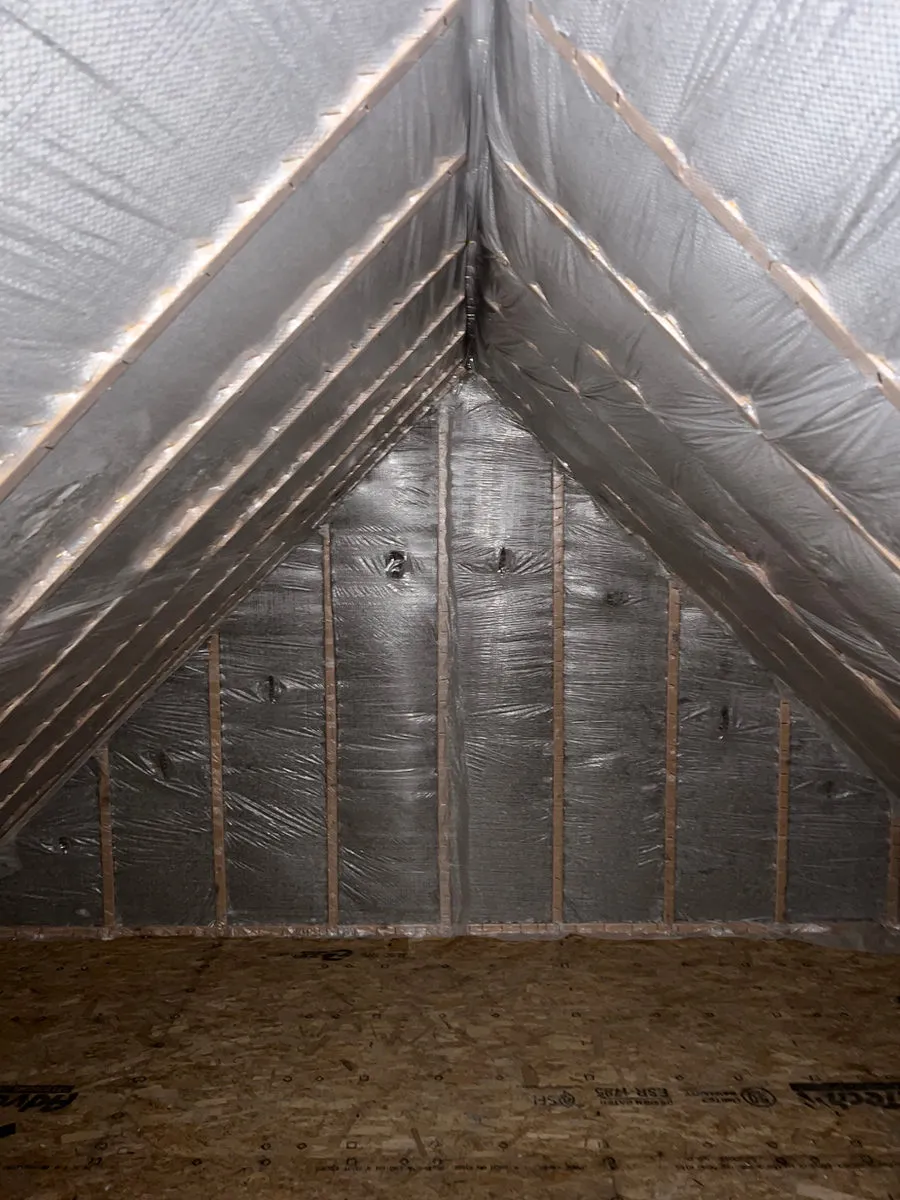
Attic roof slopes insulated and air sealed in a York County home
Insulated and sealed attic slopes
R-3.5Per inch, blown-in cellulose
40 to 80%Efficiency Maine rebate range
R-49 to R-60Attic level Maine code requires
31+ yearsWorking on York County homes
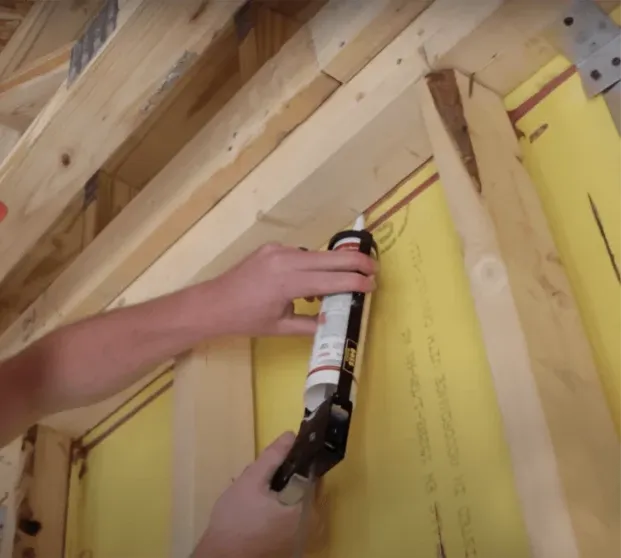
Caulk gun sealing a gap along an attic framing member
Sealing a framing gap before insulating

Start here

Air sealing comes before insulation, every time

The average home loses around 300 cubic feet of air every hour. That is roughly 1,200 basketballs of heated air leaving, and the same volume of outside air coming back in through gaps around windows, doors, outlets, chimneys, foundation cracks and the attic hatch.

Insulation slows heat transfer. It does nothing about air that moves freely past it. Think of zipping your coat before you step outside. That is why we blower door test and thermal image the house first, seal what we find, and only then insulate.

Contractors who skip this step can leave you with worse moisture problems than you started with, and can disqualify the job from Efficiency Maine rebates.

  • Attic air leaks and attic hatches
  • Rim and band joists
  • Window and door frames
  • Pipe and wire penetrations
  • Basement and crawl space gaps

See how the audit works

Two ways we insulate, and when each one is right

Which material goes in depends on the cavity, the construction era and the budget. The audit settles it rather than a sales preference.

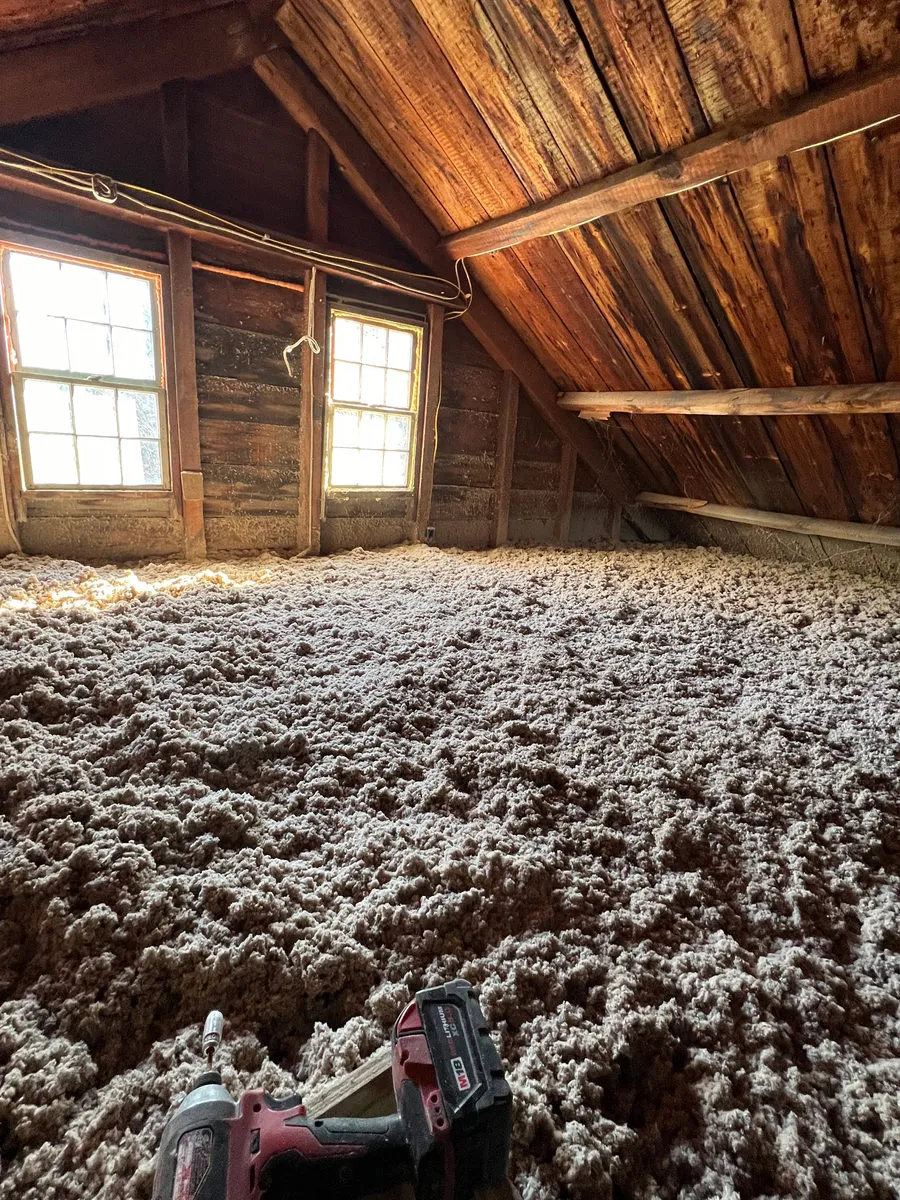
Blown cellulose insulation covering an attic floor

Blown-in cellulose

Made from recycled paper and dense enough to fill the irregular gaps that batts bridge over. It is our usual recommendation for attic floors and for older homes where nothing is square.

Why it wins

  • Around R-3.5 per inch against roughly R-2.2 for standard fiberglass
  • Fills gaps and irregular spaces completely
  • Made from recycled material
  • Naturally fire, pest and mold resistant
  • Better sound dampening than fiberglass
  • Lower installed cost per square foot than rigid board

Best for

  • Attic floors
  • Existing enclosed walls
  • Hard to reach areas
  • Historic and older homes
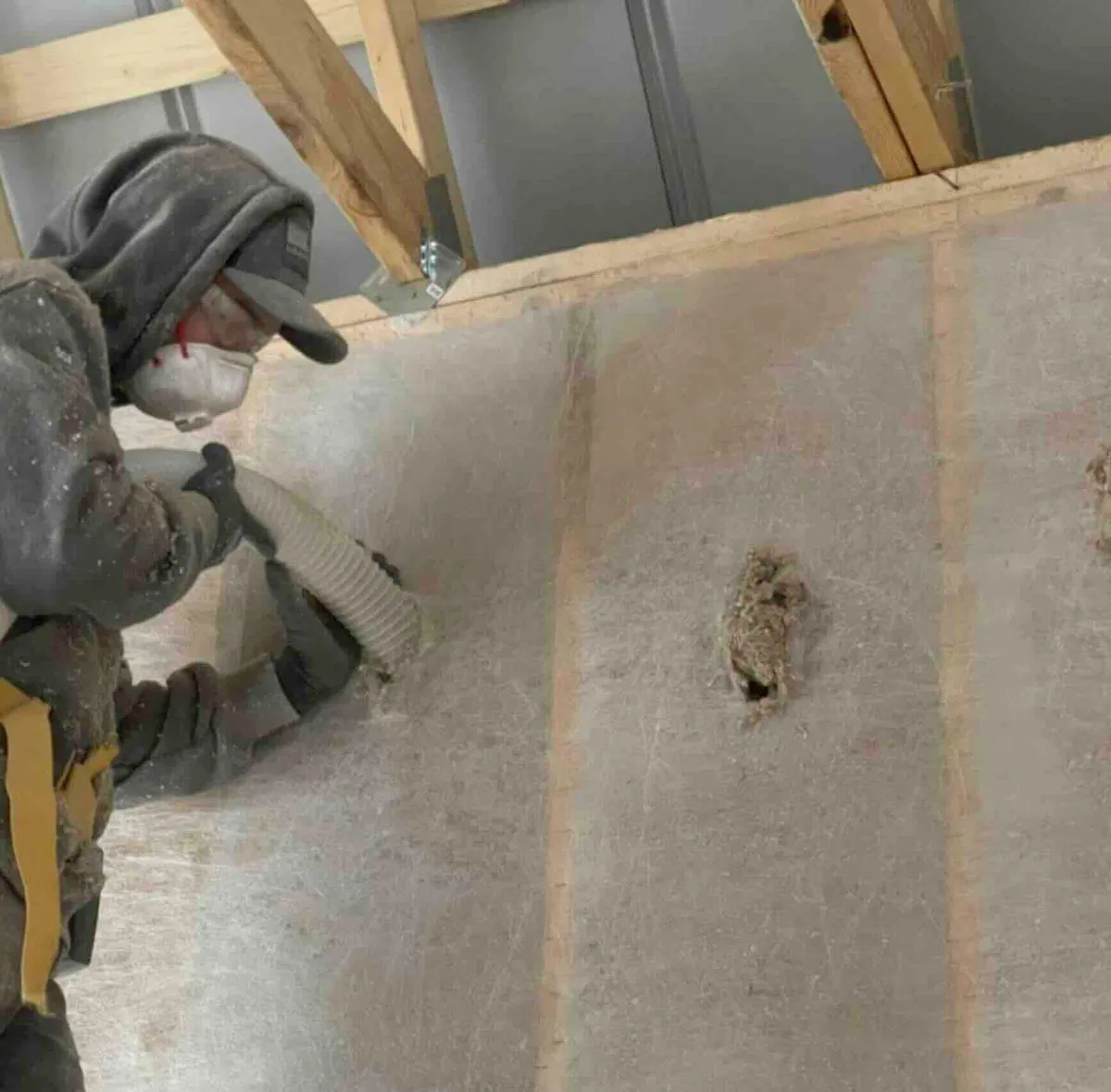
Dense-pack cellulose being blown into a netted wall cavity

Dense-pack

Cellulose installed under pressure into closed cavities. It is the retrofit answer for walls you cannot open up, and it resists the settling that leaves a cold gap at the top of a wall a decade later.

Why it wins

  • Superior coverage in enclosed walls
  • Will not settle and leave voids
  • Cuts air infiltration through the cavity
  • Excellent sound dampening

Best for

  • Retrofit wall projects
  • Finished walls that cannot be opened
  • Sloped ceilings and knee walls
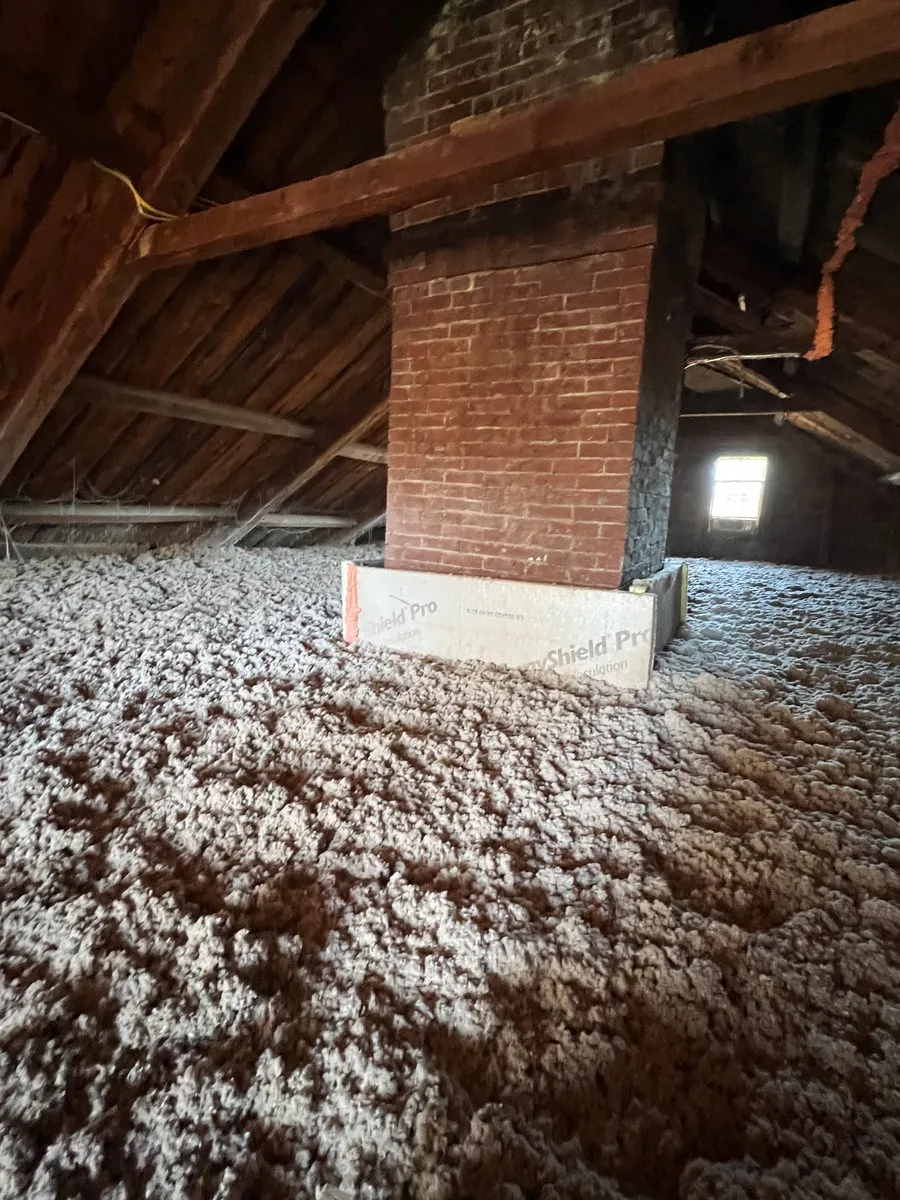
Attic of an older Maine home with exposed framing and existing insulation
Attic of an older York County home

Older homes

Maine housing stock is not one problem

An 18th century timber frame, a mid-century ranch and a 2015 build fail in completely different ways. The colonial usually has no insulation at all and needs an approach that will not trap moisture in assemblies designed to dry out. The ranch often has a thin layer of settled fiberglass and a leaky attic plane. The newer house is usually tight enough that ventilation becomes the question.

Older homes have the most to gain and the most to get wrong. Improper insulation in an old house causes moisture damage. That is the whole reason to use a crew that tests before it installs.

What the project looks like

Five stages, in this order. Skipping any one of them is how insulation jobs fail inspection and how rebates get denied.

  1. 1Consultation
  2. 2Assessment
  3. 3Proposal
  4. 4Installation
  5. 5Verification

See what the rebate covers

  1. 1

    Consultation

    • Talk through the rooms that bother you
    • Review your energy bills and usage
    • Identify the likely problem areas
  2. 2

    Assessment

    • Full home evaluation
    • Blower door test
    • Infrared scanning where it helps
    • Air leakage points documented
  3. 3

    Proposal

    • Detailed scope and materials
    • Rebate qualification confirmed
    • Clear timeline
    • Upfront pricing
  4. 4

    Installation

    • Trained installers, not subcontracted labor
    • Work areas protected
    • Clean site at the end of each day
    • Minimal disruption
  5. 5

    Verification

    • Post-installation inspection
    • Second blower door test
    • Performance confirmed against the plan
    • Rebate paperwork filed for you

Serving Sanford and York County, Maine.

Based in Sanford, proudly serving homeowners throughout York County, Maine.

Ask about your location

Acton · Alfred · Arundel · Berwick · Biddeford · Eliot · Hollis · Kennebunk · Kennebunkport · Kittery · Lebanon · Limerick · Lyman · Newfield · North Berwick · Ogunquit · Saco · Sanford · Shapleigh · South Berwick · Waterboro · Wells · York

Find out what your house is actually losing

Book an energy audit, or call and describe the room that never gets warm. Either way you get a plan with numbers attached.

Request a free quote (207) 324-6232Prefer a conversation? Give us a call.